
The Elements Of Design
The elements of design apply to all art forms from interior design to fashion to fine arts and so on. They are the very foundation behind art and design. Lets break down each of the elements and how they apply to interiors.
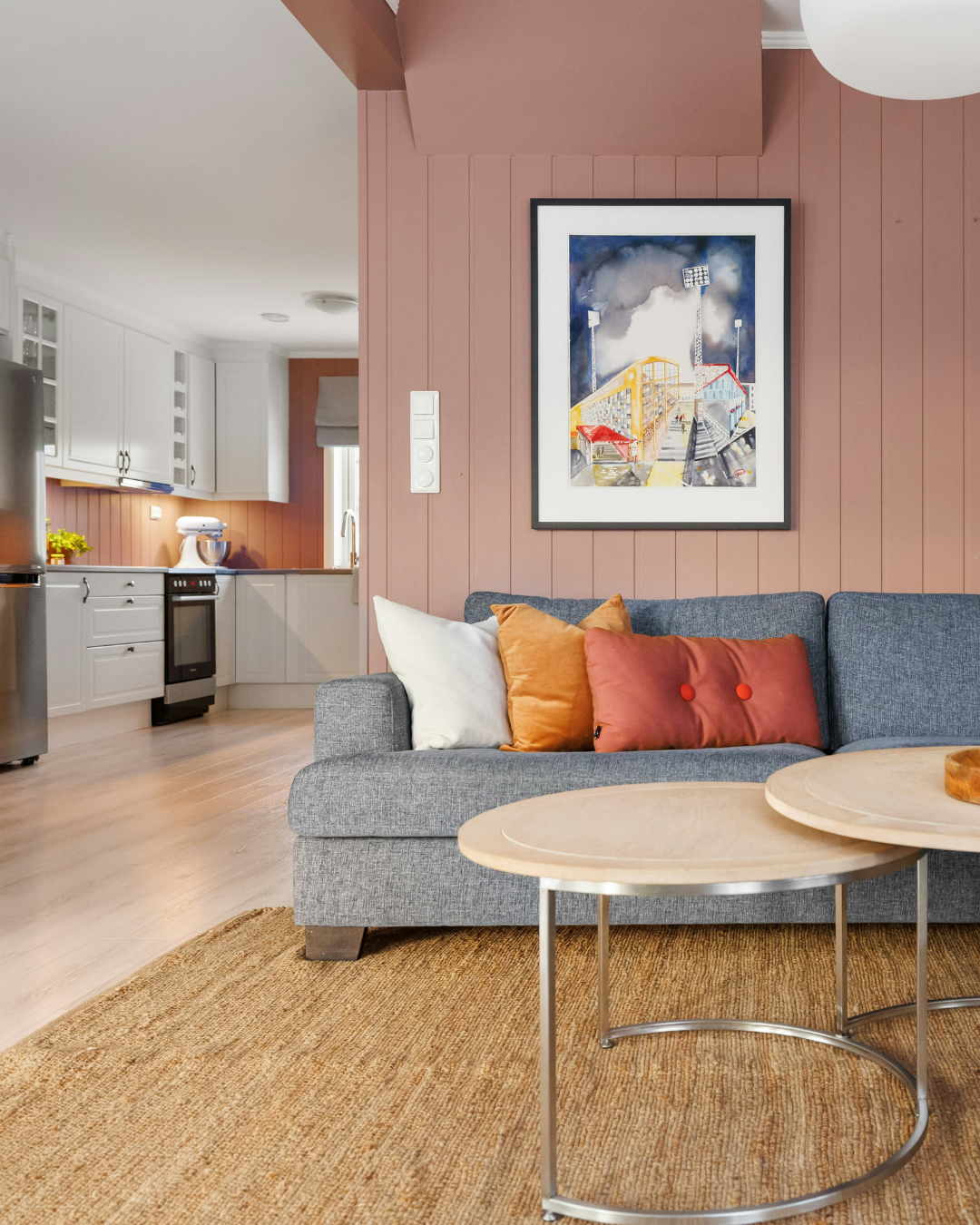
Colour
Colour will set the mood. Our brains naturally associate certain colours with certain emotions. Colour psychology is the study of how certain colours can trigger certain emotions. Though this can vary from person to person, typical associations are as follows: blue is calm & peaceful, green is calm & soothing, yellow is happy & warm, orange is energizing & fun, red is intense & aggressive and lastly purple is luxurious & magical. Ask yourself how you want to feel in a space and develop your colour scheme from that!
Space
For interior design this would be where space planning comes in. How the physical space will be filled with objects, affecting its functionality and aesthetic. A sofa and area rug would be considered positive space while the empty pathway along side it would be considered the negative space. Negative space is empty and unused. It is important to consider the height of a room when looking at space. A blank wall would be negative until it is filled with art work. Even an individual furniture piece can have negative and positive space. A table with tall tin legs creates negative space under the table top.
Lines
In a room or composition there will be a variety of lines. Vertical, horizontal, diagonal, and curved. These lines can direct the the eye to key areas. An example would be a vertical subway tile vs a horizontal subway tile. One will draw the eye upward while the other sweeps across the backsplash. Diagonal lines opposing the typical vertical and horizontal can add interest to a space.
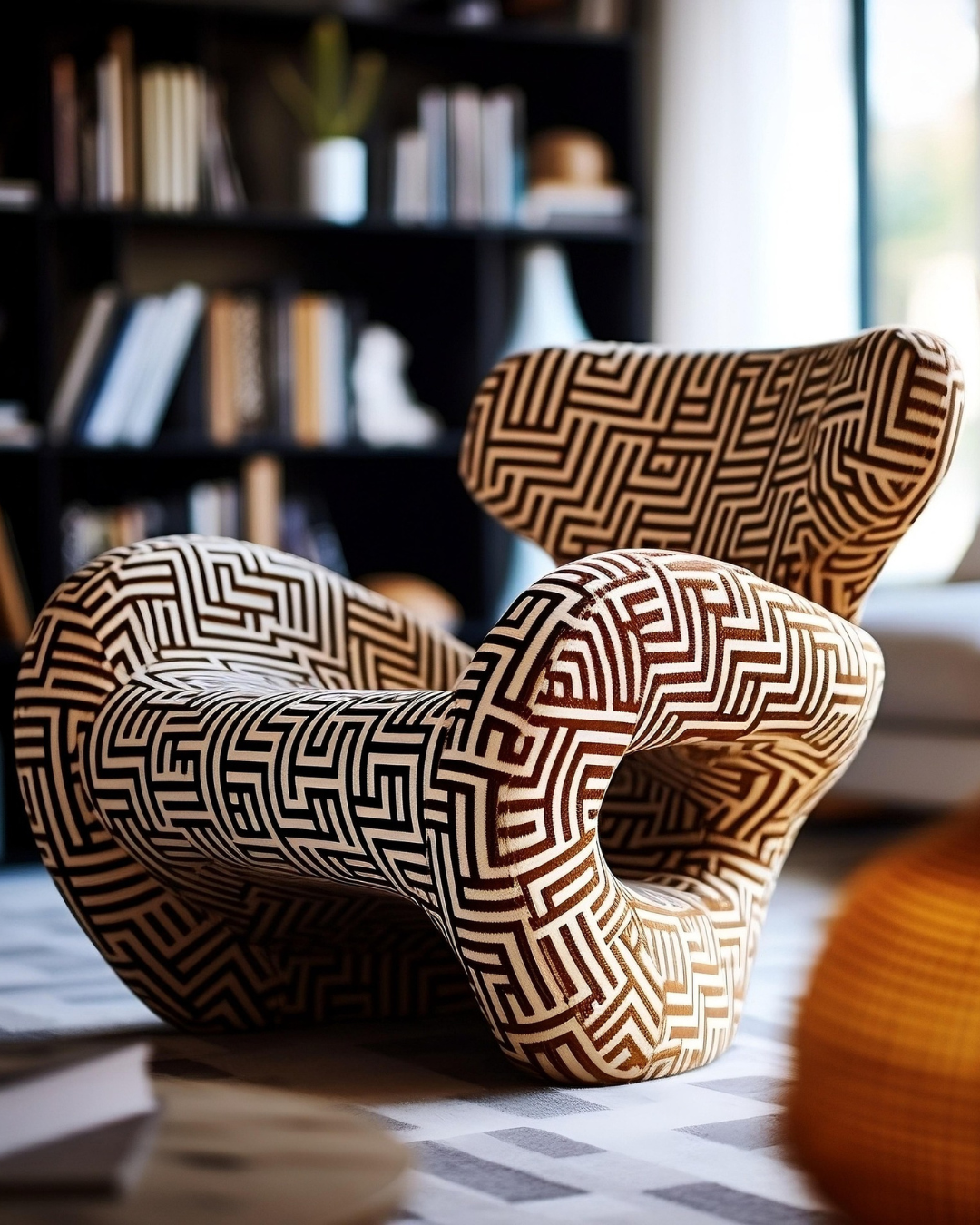
Shape
This is referring to the 2D shapes we see, think of art work and patterns on fabric. There are 3 different kinds of shapes: organic, geometric and abstract. Organic shapes referring to things you see in nature with curves that flow naturally. Geometric shapes which have angles that give structure. Abstract shapes which use organic lines as a suggestion. Combining different shapes can help to add character.
Form
Form refers to the shape of an object in 3D. An example would be that a 2D square is extruded into a 3D cube. Organic shapes have less structure and more curve. Organic or geometric forms can set the tone of a room. Organic bringing comfort and flow while geometric promotes structure and organization.
Value
Value refers to the lightness and darkness of a colour. Visualize a gradient. This element not only applies to the colours in a room (in your paints, fabrics etc) but also how the physical light in a space changes those colours. I’m talking about natural day light (and its fluctuations) and artificial light. When lights are dimmed this affects the value of everything in the space.
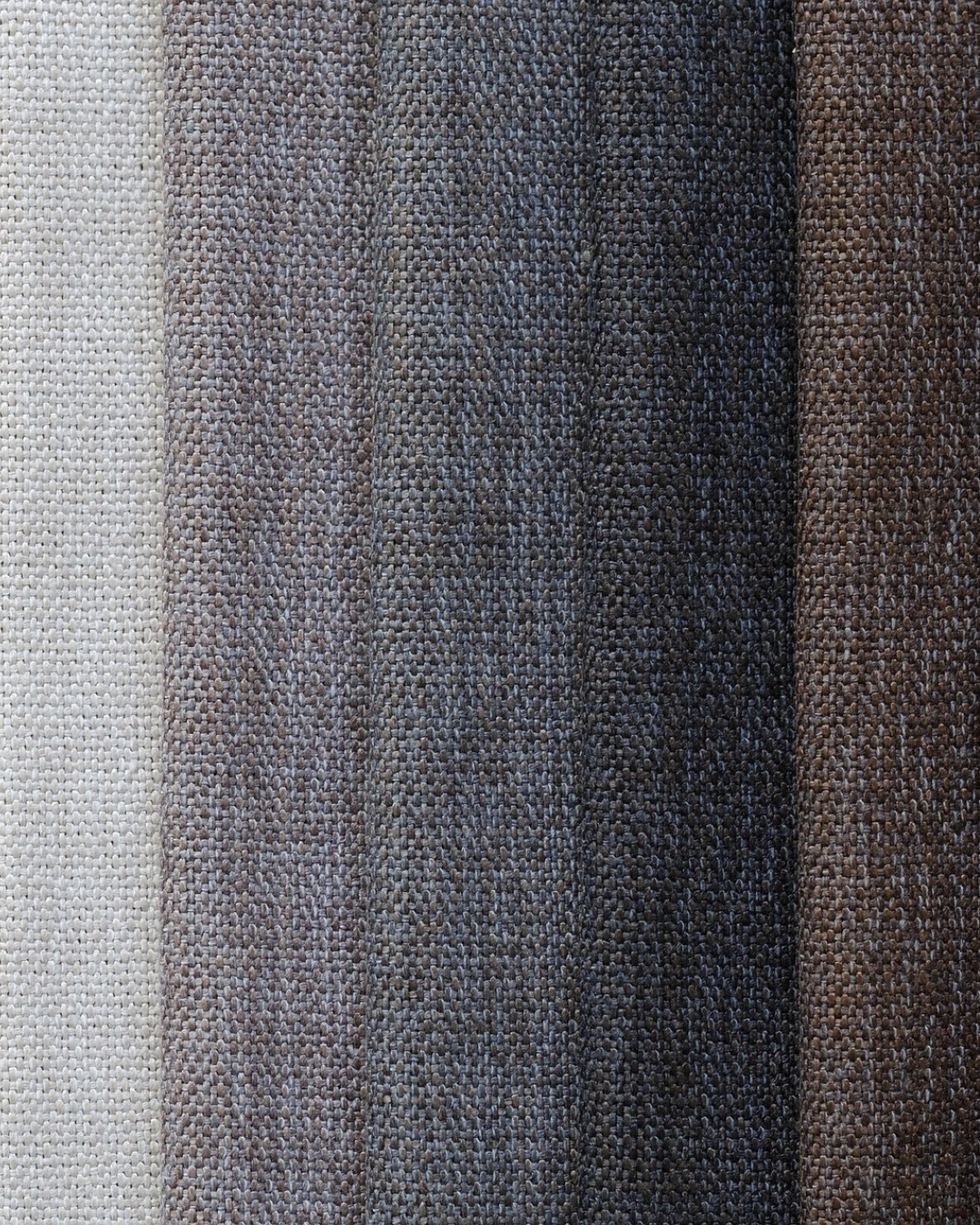
Texture
Texture refers to the materiality of a space. Is it smooth, soft or rough? Fabrics, stone, tiles and more can all have different textures. Playing with many textures can make a space more dynamic and engaging.
Its not just guess work, Interior designers spend years studying design theory and concepts like the elements of design to gain a comprehensive understanding of the built environment and to create spaces where people can thrive. Interior Ethos is a professional design service that is ready to help with your next design project. Check out our services today!